How Tucson's Desert Climate Affects Your Pool Chemical Needs Year-Round With Swimming Pool Maintenance Products
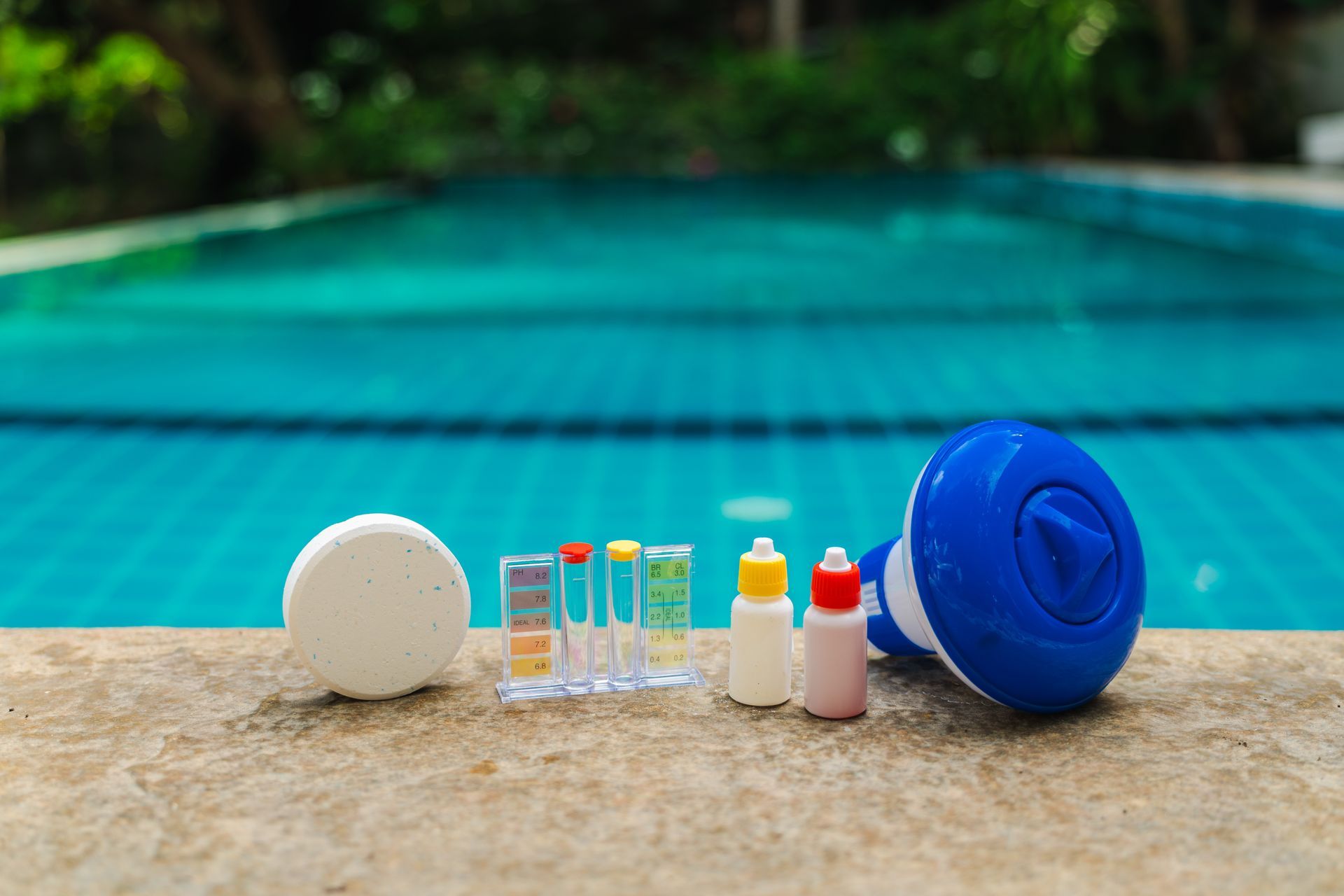
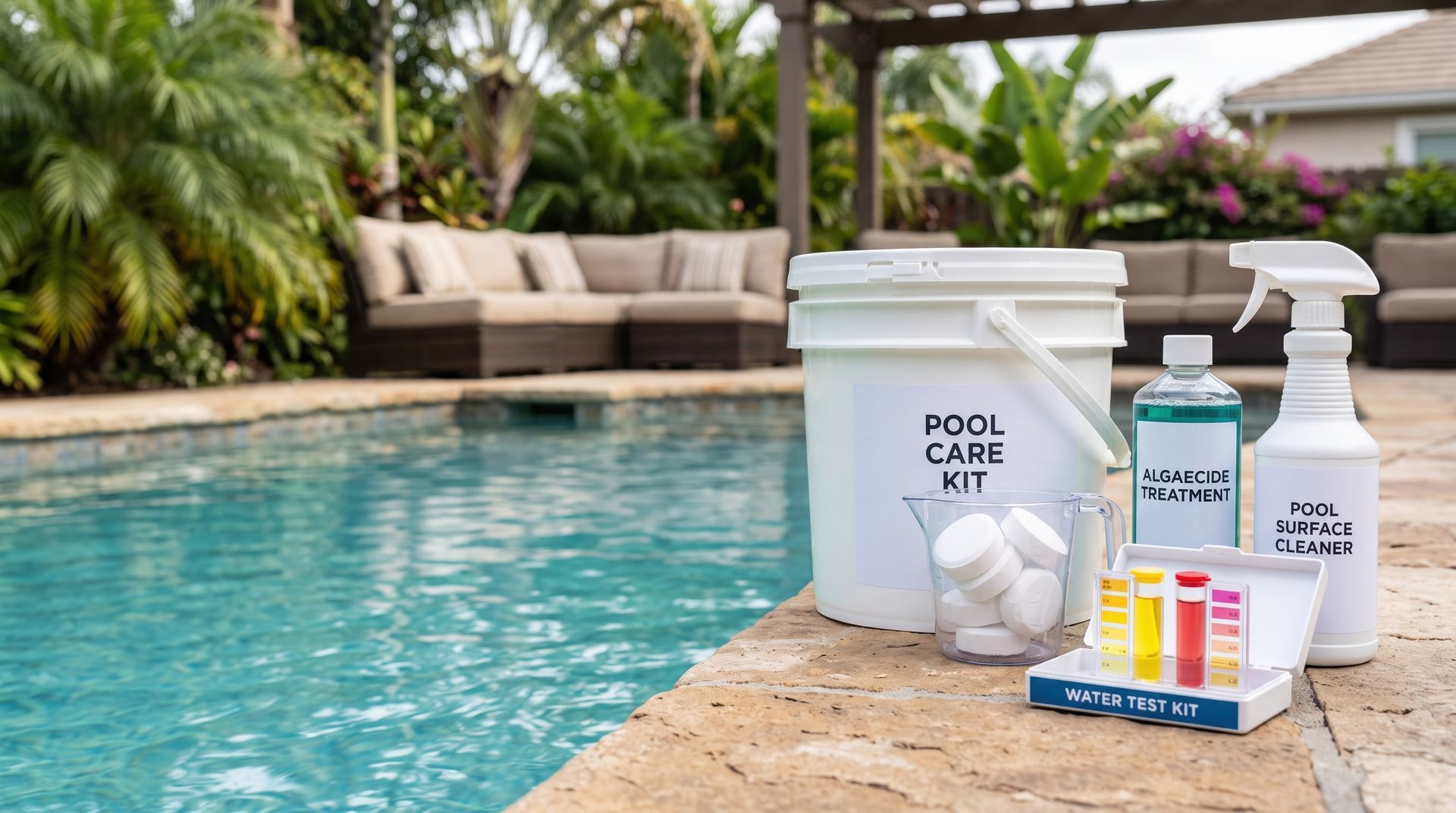
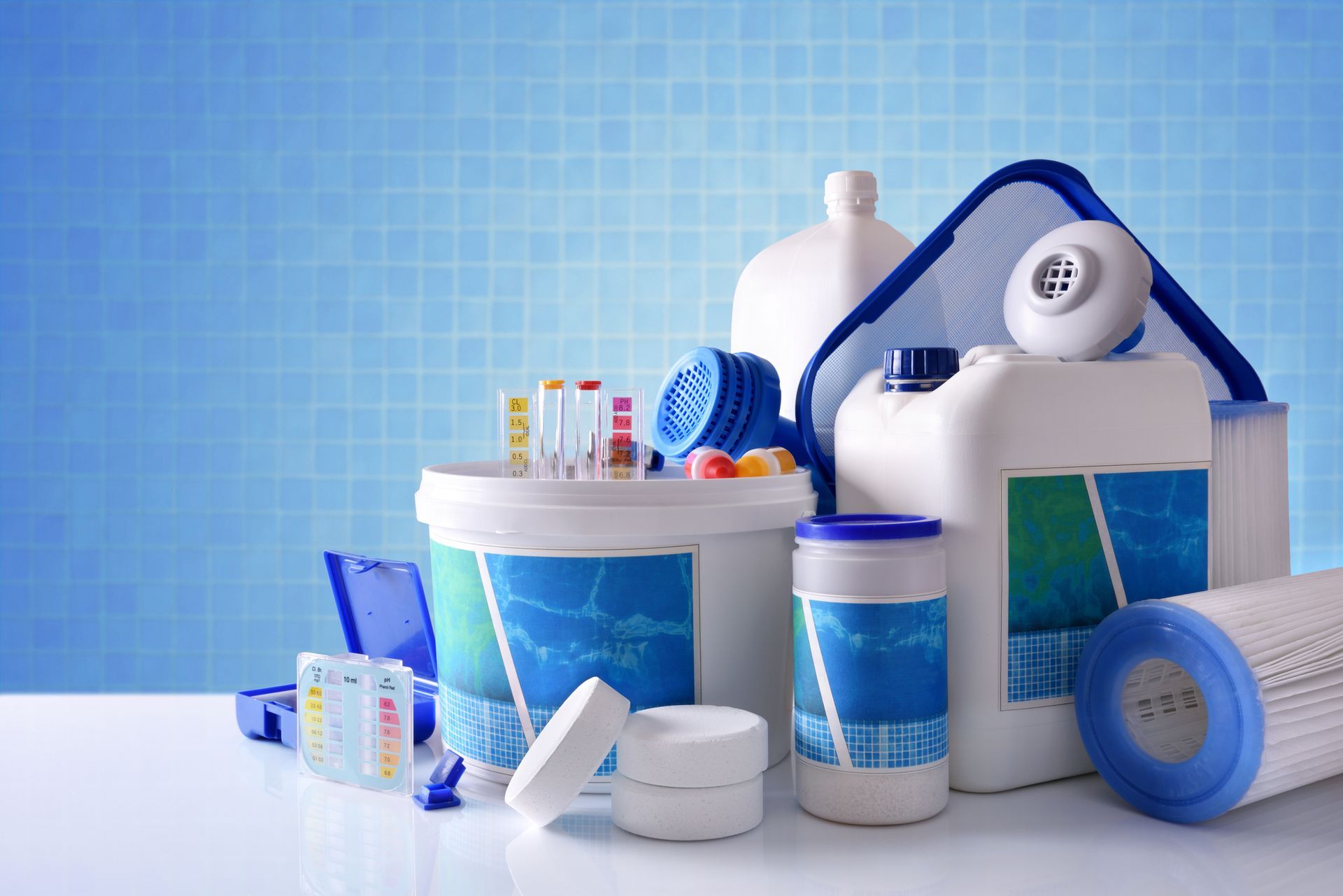
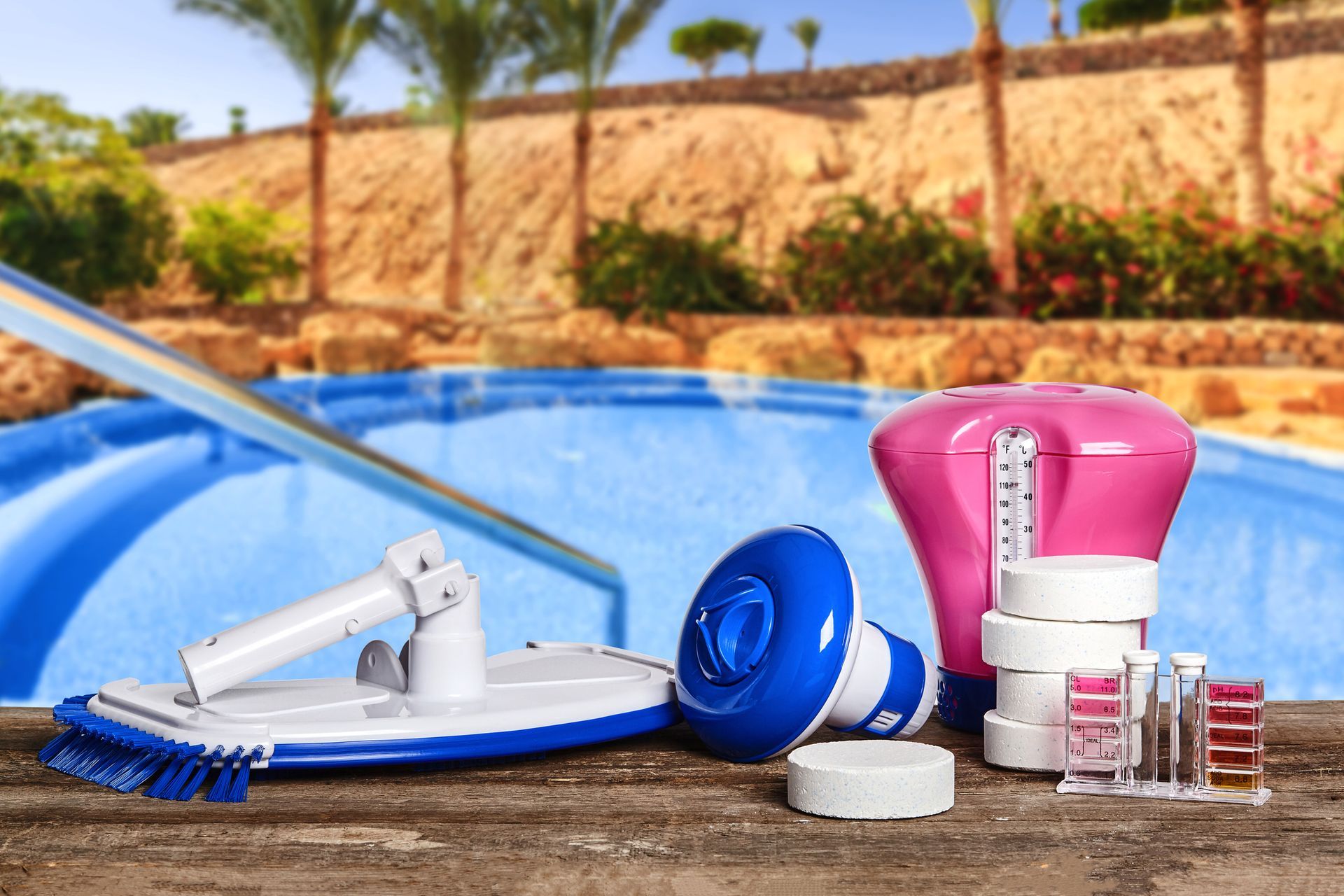
Tucson, AZ, pool owners face chemical challenges that standard maintenance guides simply do not account for. The Sonoran Desert climate puts intense, overlapping pressures on pool water chemistry that shift with every season. Having the right swimming pool maintenance products on hand before each season changes is one of the most effective ways to stay ahead of those pressures. This guide covers four major climate-driven chemical challenges and gives you a clear seasonal checklist to help you plan around them.
How Intense UV Exposure Destroys Your Chlorine Faster Than You Think
Tucson sees well over 280 sunny days per year, and UV index readings regularly climb to extreme levels throughout summer. That relentless sunlight breaks down free chlorine rapidly, sometimes within a few hours. A pool that tested fine in the morning can be dangerously under-chlorinated by mid-afternoon.
Cyanuric acid (CYA), often called a chlorine stabilizer, acts as a sunscreen for chlorine and slows UV degradation so the sanitizer lasts longer. For Tucson pools, maintaining CYA in the appropriate range is essential. Without adequate stabilizer, you may add chlorine constantly and still struggle to keep levels where they need to be. Using quality swimming pool maintenance products for stabilization and sanitation together gives you a more reliable result than relying on chlorine alone. Learn more about treatment options on the pool water treatment page.
Too much CYA creates its own problem. When stabilizer levels climb too high, chlorine becomes less effective even when the numbers look normal. Test CYA monthly from late spring through early fall, and perform a partial drain and refill if levels remain elevated.
Why Tucson's Hard Water Creates a Calcium Buildup Problem
Tucson's tap water is among the hardest in the country. Every time you top off your pool after evaporation, you are adding calcium and magnesium to the water. Over time, calcium hardness can rise to levels that cause visible scaling on surfaces, tile lines, and equipment. High calcium also makes it harder to keep pH stable.
The ideal calcium hardness range for most pools is 200 to 400 ppm. Once calcium climbs above that, a sequestrant can help prevent scale formation, but a partial drain and refill may eventually be needed to reset mineral concentrations.
Stocking the right swimming pool maintenance products, including sequestrants and pH balancers formulated for hard water, can help you manage mineral buildup more effectively between drain cycles. Evaporation in Tucson's dry climate concentrates all dissolved solids, not just calcium, so high total dissolved solids (TDS) can cause the water to look dull or cloudy even when chemical levels appear balanced.
Monsoon Season Algae Surges Require a Proactive Chemical Response
Monsoon season runs roughly from mid-June through late September. Each storm can deliver acidic rainwater, wind-blown debris, and phosphates that destabilize pool chemistry within hours. Rain dilutes sanitizer and lowers pH, and warm, humid post-storm conditions create an ideal environment for algae to establish quickly.
Selecting the right swimming pool maintenance products in Tucson, AZ, before monsoon season begins can make the difference between a clear pool and a green one. A preventive algaecide combined with a post-storm shock treatment gives you a strong line of defense. Test pH and chlorine after any significant storm and rebalance before algae takes hold. Brushing pool surfaces regularly during monsoon season also disrupts early algae growth before it becomes visible.
A Seasonal Chemical Checklist for Tucson Pool Owners
Spring (March through May)
- Test CYA levels and adjust stabilizer before summer heat arrives.
- Check calcium hardness and address any mineral buildup on tile or surfaces.
- Verify that your chlorinator or feeder is functioning correctly.
- Brush pool walls and vacuum to remove debris from winter.
Summer (June through August)
- Test pH and chlorine two to three times per week due to peak UV intensity.
- Monitor CYA monthly and avoid letting it exceed recommended levels.
- Add a preventive algaecide before the first monsoon storms arrive.
- Test and shock after every significant rain event.
Fall (September through November)
- Reassess CYA after monsoon season and perform a partial drain if TDS levels are elevated.
- Gradually reduce chlorine dosage as UV intensity drops and temperatures cool.
- Clean and inspect your filter after the high-demand summer period.
- Replenish your supply of swimming pool maintenance products so you are prepared for the following spring.
Winter (December through February)
- Reduce chlorine treatment frequency as UV exposure decreases significantly.
- Continue testing pH and alkalinity at least once per week.
- Use winter as the best window to correct any CYA or TDS buildup from summer.
- Keep the pump running on a shorter cycle to maintain circulation and clarity.
What Is the Right CYA Level for a Tucson Pool?
For Tucson pools, a CYA level in the range commonly recommended for desert climates provides better UV protection than the lower targets suggested by general national guides. Test monthly from May through September and adjust as needed to keep your chlorine effective throughout summer. Pairing the right maintenance products for stabilization with consistent testing gives you the best chance of holding that range all season long.
How Often Should Tucson Pool Owners Test Their Water?
During peak summer months, testing two to three times per week is a reasonable standard given how quickly UV intensity and heat can shift chemical levels. In fall and winter, weekly testing is typically sufficient for most residential pools.
Get Expert Pool Support Tailored to Tucson's Desert Climate
Tucson's desert conditions demand a more proactive, season-aware approach to pool chemistry than most standard guides provide. Arizona Pima Chemical Pool Service has been serving Tucson pool owners since 1989, offering professional-grade pool water treatment and local expertise built around the demands of the Sonoran Desert. Whether you need help sourcing the right pool treatment products in Tucson, AZ, or want to hand off the chemical balancing entirely, the team is ready to help. Call (520) 740-1100 or reach out through the contact page to schedule service or ask about product options.